


Carpet & Rug Color Restoration
Certified Color & Dye Technician providing precision color correction for carpets and handmade rugs
When cleaning alone cannot correct the problem, color restoration may be the answer. DG Textile Care provides specialized correction for bleach spots, dye migration, visible foundation knots, fading, and other color-related issues affecting carpets and handmade rugs.
Bleach Spot Repair
you can't remove a bleach spot... but you can make it disappear!
.png)
.png)
Why Do Bleach Spots Appear on Carpet?
A bleach spot is not actually a stain. A stain adds something to the carpet, while bleach and similar chemicals remove or alter the carpet’s original color. That is why bleach spots cannot simply be cleaned away.
Common causes of carpet color loss include:
-
Household bleach
-
Bathroom and kitchen cleaners
-
Acne medications containing benzoyl peroxide
-
Hydrogen peroxide
-
Disinfectants and sanitizing products
-
Pet or cleaning products
-
Pool chemicals
-
Strong spot removers
-
Accidental chemical spills
The damage may not appear immediately. Some products continue reacting with the carpet fibers after contact, causing the affected area to become lighter over time.
Bleach spots can appear white, yellow, orange, pink, or another unexpected shade. The final color depends on the carpet’s original dye mixture and which colors the chemical removed. For example, a beige carpet may turn yellow or orange when only certain color components are lost.
before after
Can a Bleach Spot Be Cleaned?
Because a bleach spot is color loss rather than dirt, traditional carpet cleaning will not restore the missing color. In some cases, further cleaning or applying household products can make the damage worse.
Professional color correction may be able to improve the affected area. The process can involve neutralizing any remaining chemical activity, identifying the carpet fiber, evaluating the colors that remain, and carefully adding the missing colors back into the damaged fibers.
Every carpet and bleach spot is different. Fiber type, chemical exposure, previous treatments, and the condition of the carpet can all affect the final result. A professional assessment is the best way to determine whether the area is suitable for color correction.
Dye Bleed
What Causes Fugitive Dye Bleeding?
Fugitive dye bleeding happens when unstable dyes release from carpet or rug fibers and migrate into surrounding areas. It can be triggered by excess moisture, improper cleaning products, high-pH solutions, heat, prolonged drying, or previous chemical treatments. Pet urine can also contribute by changing the fibers’ pH and weakening the dyes, sometimes causing bleeding, fading, or permanent color changes. Proper testing and controlled cleaning methods are essential before treating delicate or richly colored textiles.


Common Causes of Dye Bleeding
-
Pet urine or repeated urine exposure
-
Changes in the fibers’ pH
-
Excessive moisture or over-wetting
-
Slow or improper drying
-
Hot water or excessive heat
-
High-pH cleaning products
-
Harsh chemicals or strong spot removers
-
Improper cleaning methods
-
Unstable or poorly set dyes
-
Previous chemical treatments
-
Color-transfer contamination
-
Age, wear, or fiber deterioration


The video moves from the untreated area into the section where precise dye restoration has been applied.
Foundation Knot Surfacing
(white knots)
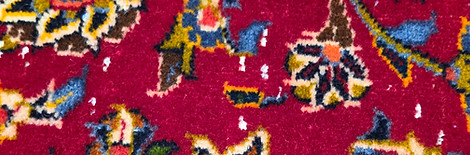
White knots are a normal part of many handmade rugs. They are small sections of the rug’s cotton foundation that become visible on the face of the rug. As a rug is used, walked on, and flexed over time, these knots can work their way upward through the wool pile. They may also become more noticeable after professional cleaning removes embedded soil and lifts the surrounding fibers. Cleaning does not create white knots—it simply may reveal knots that were already part of the rug’s construction.
Although white knots do not affect the rug’s structure, they can interrupt the appearance of a detailed pattern or dark-colored field. Fortunately, they can often be carefully color-matched by a certified color and dye restorer. The knot is not removed; instead, its visible surface is precisely colored to blend with the surrounding wool and design, making it much less noticeable while preserving the rug’s original construction.
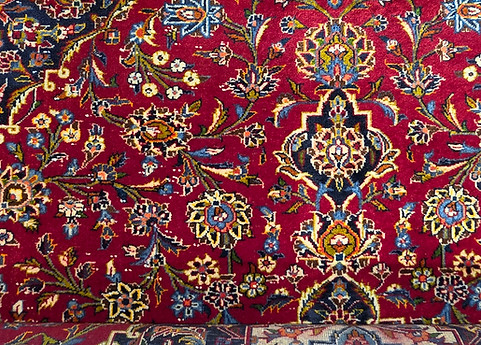
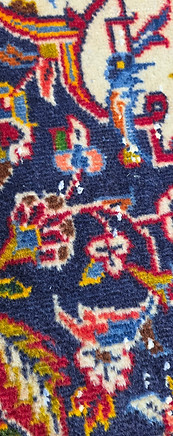
Pre Restoration After Dye Restoration
Cellulosic Browning
.jpg)

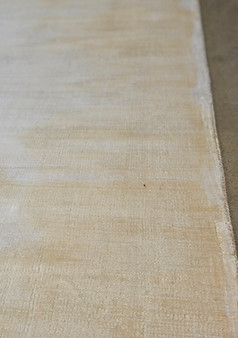
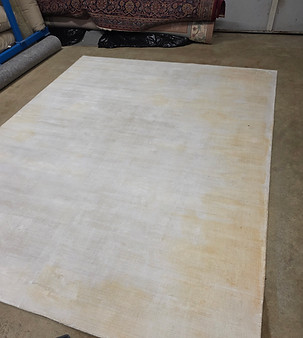
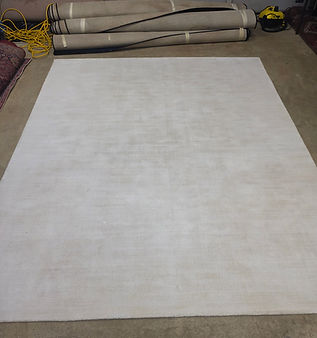
Cellulosic browning is a yellow, tan, reddish-brown, or brown discoloration that can develop when plant-based fibers become wet and dry too slowly. Moisture can dissolve and carry naturally occurring substances—particularly lignin and other plant compounds—toward the surface.
As the moisture evaporates, the discoloration may remain on the face or tips of the fibers. Browning may appear during drying or become noticeable only after the rug is completely dry. It is sometimes mistaken for dirt returning to the surface, dye bleeding, urine staining, or improper cleaning. A professional evaluation is needed because these conditions require different treatments.
Regenerated-cellulose fibers can also experience yellowing, browning, water marking, and other moisture-related discoloration. These include:
-
Viscose
-
Rayon
-
Lyocell
-
Modal
-
“Bamboo silk”
-
“Art silk” or “faux silk”
These manufactured fibers begin with plant cellulose but are chemically processed into new fibers. They can be extremely absorbent and sensitive to moisture, agitation, alkalinity, and prolonged drying.
Rugs and Fibers That May Be Affected
Cellulosic browning can affect rugs made entirely or partially from plant-derived fibers, including:
-
Jute
-
Sisal
-
Seagrass
-
Cotton
-
Hemp
-
Coir or coconut fiber
-
Linen or flax
-
Ramie
-
Abaca or banana fiber
-
Paper-fiber and paper-yarn rugs
-
Natural plant-fiber blends
What Increases the Risk?
Cellulosic browning is more likely when one or more of the following conditions are present:
-
Excessive moisture or over-wetting
-
Slow or incomplete drying
-
High indoor or outdoor humidity
-
Limited airflow
-
High-pH or strongly alkaline cleaning products
-
Cleaning-product residue
-
Repeated spot cleaning
-
Flooding or water damage
-
Improper home cleaning
-
Saturation from pet urine or other spills
-
Aging or deteriorating jute and cotton components
-
Moisture wicking from the rug’s foundation, backing, pad, or floor
Have a color problem on a carpet or rug? Send us clear photographs of the affected area to request an assessment.
25 Years of Experience
